


Everything posted by JoshB
-
 It might take a bit for everyone to receive the option for collaborations feature within their studio.
 -
 You may have heard a lot of different things going on in the past week or two about what's been happening with YouTube. Some things are myth, some things are true. We're going to talk about the huge updates, so let's actually get into it. The View Drop Mystery: Separating Fact from FictionThere's been somewhat of a myth floating around that a lot of the bigger YouTube channels like Linus Tech Tips and Markiplier have claimed they've noticed a significant drop-off in viewers. This led to an outcry that YouTube was shadow banning creators or changing the algorithm without letting creators know beforehand. This brought a lot of people to speculate about a feature called "restricted mode" in your YouTube settings. Now this has actually been disproven since this feature has been in place since around 2010. It's been available for many years, but this kind of set the ball rolling with creators saying their views had disappeared or been cut by 50% because of this feature. Many creators instantly jumped on this myth without actually doing any research. Yes, if you turn restricted mode on, most of your videos disappear, but that wasn't the actual cause of the issue. The Real Culprit: Ad BlockersIt came out probably a week later (though in the creator space, several days feels like an eternity) that the issue was actually ad blockers like uBlock Origin and others. These were causing problems where YouTube wasn't recording views for people using ad blockers. This goes back to the ongoing cat and mouse game between YouTube and ad blocker companies. In my personal opinion, I say use ad blockers because even the FBI has posted recommendations for the public to use ad blockers when browsing the internet. A lot of times you can get your computer infected with malware from malicious ads that get posted in website feeds or while watching ads on YouTube. YouTube has been playing this back and forth game for the past couple years, punishing viewers for using ad blockers because it's against their terms of service. The problem is that the number of ads and their length have only increased over the years, creating a more user-hostile environment. I know a lot of other creators are completely against ad blockers, and everyone is entitled to their opinion. My view is that you shouldn't really rely on ad revenue on YouTube, but if you do, that's your choice. The Numbers Don't LieLinus Tech Tips showed actual numbers from their WAN show displaying how their views were down, but interestingly, their likes and ad revenue were actually up. Josh Strife Plays posted a video showing that when this YouTube fiasco with ad blockers happened on August 10th, his numbers revealed that mobile and PC viewing were pretty much in line before that date. But on August 10th and afterward, desktop views were way below mobile views. This makes sense because people watching on mobile typically won't have an ad blocker running on their phone, but if you use an ad blocker, it's usually on your PC or computer. The numbers got skewed with desktop views being low while mobile views remained at normal or higher rates. YouTube came back and pretty much confirmed this was because of ad blockers, though they haven't directly stated it. An article from 9to5Google noted that over the past month, many YouTubers reported major drops in video view counts, and theories ran wild, but the ad blocker explanation makes the most sense. This was big drama on YouTube for a good week or two. Everyone was making videos saying their viewers were down, all caused by various theories. It's something where a lot of people jump the gun. They see another creator posting a video saying "this is the reason why X causes Y" and then they jump to create a video as well. We'll see if people retract those videos or make corrected statements. Major YouTube Updates You Should Know AboutWhat I actually wanted to talk about are the updates YouTube has made. They've introduced some major changes for live streaming and the general platform. Live Streaming ImprovementsYouTube has been kind of pushing live streaming aside to give their "little brother" Shorts some time in the limelight for a couple years. But now they've made several important updates: Practice Before Going Live: You can now test your setup with no risk before going live. Other platforms like Twitch have had this capability where you can run a test stream to see if your internet is up to snuff or if anything is going wrong before actually going live. Playables on Live: These were introduced last year as fun interactive experiences with lightweight games like Angry Birds Showdown and Cutthroat that you can play during your live stream. Streaming Across Formats: This is one of the big things I'm really excited about. You can have horizontal and vertical streams in one studio window, and the chat from both live streams is integrated into one chat window. This isn't out yet, but it's coming within weeks or months. Previously, you would need two streaming encoders going at the same time and two chat windows to keep up with both sides. Thank you YouTube for integrating this into one studio window. The only thing I didn't see is if they made changes to how chat defaults to "top chat," which is stupid. It should automatically be live chat as the only option because if you're in top chat, there might be occasions where you'll never see someone's chat message. That person might think you're ignoring them and just leave. AI-Powered FeaturesAI Highlights: This feature finds the most compelling moments from your live stream and automatically creates ready-to-share Shorts. After your live stream ends, AI will go through your content (if you allow it) and create highlights or clips. You can edit them and then publish them on YouTube. This is similar to what Riverside FM, Descript, Opus Clips, CapCut, and other services offer, but this will be baked into YouTube itself using their Gemini AI system. Monetization UpdatesSide-by-Side Ads: YouTube knows creators are often hesitant to run ads that interrupt key moments during streams because they're very disruptive. The new side-by-side ads are supposedly less intrusive while helping creators get paid without pulling their audience away. I'm wondering how this will actually work. On Twitch, when ads run during a stream, the ad takes over and the streamer is put into a small box above chat, muted, while the ad plays. With YouTube's side-by-side format, I'm assuming the ad plays with audio while the stream is muted, which doesn't really change much since the stream is still being interrupted. We'll have to see how this works out. Seamless Member Transitions: There's a new feature that allows creators to easily transition from a public stream to a members-only live stream without disruption. Previously, you'd have to cut off the stream and start a separate members-only stream. Now it will be more seamless, moving your audience from public to members-only within the same stream. Feeling Overwhelmed? There Are AlternativesWith all these changes involving AI, increasing ads, and years of focus on Shorts, you might be feeling overwhelmed or done with YouTube. I've talked about alternatives in the past, and there are options: PeerTube is a free, open-source system where you can self-host or join an instance that has openings for people to upload videos. Makerspace is designed for makers, artists, woodworkers, craftspeople, and similar creators. TILvids focuses on edutainment content, and you can find our content from the indie creator community there as well. I do have to mention that if you use an alternative, you won't have the same results because these alternatives are extremely small compared to YouTube's potential audience. You'll need to weigh the pros and cons of what you're looking for and take your time to figure out what you want to do. Wrapping UpThese YouTube updates represent significant changes to the platform, especially for live streaming. While some improvements are welcome, the ongoing issues with ad blockers, increasing ads, and AI integration may leave some creators looking for alternatives. If you're interested in joining our community of independent creators, check out indiecreator.community. It's a forum open to all independent artists, creators, and anybody looking for alternative platforms. We share blogs, podcast episodes, videos, and connect like-minded people. Thanks for reading, and I'll see you next time. Later taters.
 -
Knowing that the community within the FOSS arena, it's sad to see that some initiatives are not gathering enough users in order to function. https://about.iftas.org/2025/09/29/sunsetting-iftas-connect/
-
Looks like EA is going to be sold off to a Saudi Arabia and others private equity group, what can go wrong with this? We've seen so many times how private equity firms completely strip mine and ruin whatever they acquire. Don't see EA surviving as they are currently in the next 5 to 10 years. KotakuEA Announces Unprecedented $55 Billion Sale To Saudi Arab...The Madden publisher is going private
-
 YouTube creators were in panic mode over mysterious view drops, but the real story isn't what you think. This week we expose the truth behind the YouTube drama that had major channels like Linus Tech Tips and Markiplier reporting massive analytics drops, plus reveal the game-changing platform updates you need to know about. What You'll Discover: The restricted mode myth that spread like wildfire across YouTube turned out to be completely wrong. We break down the actual cause behind the view count chaos, analyze real data from affected creators, and explain how YouTube's ongoing battle with ad blockers created the perfect storm of confusion. Major YouTube Updates Covered: YouTube just dropped significant live streaming improvements including dual format streaming capabilities, AI-powered highlight generation, new monetization options with side-by-side ads, and seamless member-only stream transitions. We dive deep into what these changes mean for content creators and how you can leverage them. Alternative Platforms Discussion: Feeling overwhelmed by YouTube's constant changes? We explore viable alternatives including PeerTube, Makerspace, and TilVids for creators seeking different platforms and audiences. Key Topics: YouTube algorithm changes, creator analytics, ad blocker issues, live streaming updates, AI content tools, platform alternatives, creator monetization, YouTube drama 2025 Whether you're a seasoned YouTuber or exploring content creation, this episode separates fact from fiction in the ever-evolving creator economy landscape.
 -
So there's been a ton of chaos in the YouTube creator space lately and I wanted to break down what actually happened vs all the myths floating around. The Panic: Big channels like Linus Tech Tips and Markiplier started reporting massive view drops (we're talking 50%+ in some cases). This immediately sparked theories about secret algorithm changes, shadow banning, and this old "restricted mode" setting that's been around since 2010. What Really Happened: Turns out it wasn't algorithm conspiracy at all. The culprit was YouTube's ongoing battle with ad blockers like uBlock Origin. These conflicts were messing with view counting specifically for desktop users (where ad blockers are common), while mobile views stayed normal. The data actually backs this up. Creators showing "low views" still had normal or even increased ad revenue and engagement. Desktop vs mobile analytics told the whole story. But Here's What's Actually Exciting: While everyone was panicking, YouTube dropped some genuinely cool updates: • Practice streaming mode (finally! Like Twitch has had forever) • Dual format streaming from one studio (horizontal + vertical simultaneously) • AI highlight generation that auto-creates Shorts from your live streams • Side-by-side ads instead of stream-interrupting ones • Seamless public-to-members transitions during live streams My Take: This whole situation shows how quickly misinformation spreads in creator communities. So many people made "THE ALGORITHM IS BROKEN" videos without actually analyzing their data first. Also, if you're getting burnt out on YouTube's constant changes, there are alternatives worth checking out: PeerTube (open source), Makerspace (for makers/crafters), and TillVids (educational content). Just know the audiences are way smaller. Questions for Discussion: - Anyone else notice the desktop vs mobile view discrepancy? - Thoughts on the new live streaming features? - Are you considering platform alternatives? Would love to hear your experiences! Drop your analytics stories below 📊 The Independent CreatorThe Independent Creator | YouTube's Secret War on Ad Bloc...What We're Talking About This Week:YouTube had everyone freaking out lately, and honestly, most of it was just creators jumping to conclusions without doing their homework. We're breaking down what...
-
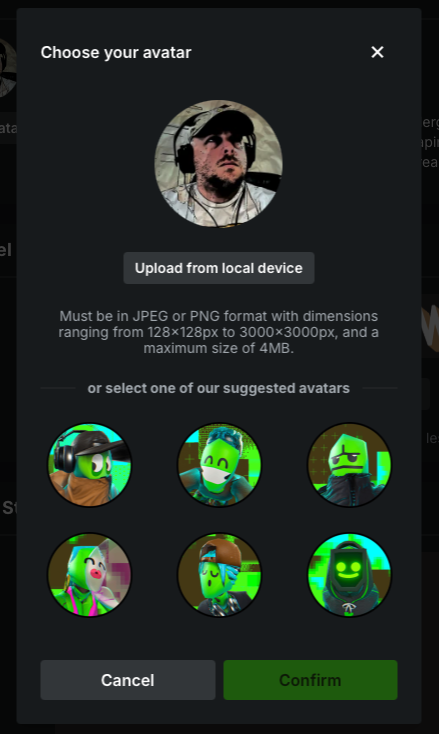
It's a tiny update for those that use Kick and you might be having trouble in choosing a profile avatar, Kick has brought in a few choices that you can use.
-
Facebook and Instagram to get £2.99 UK subscription to st...Subscriptions for user opting not to see personalised ads on its platforms will start from £2.99 a month for UK users.
-
Disney's not reading the room, especially after the recent dropping of Jimmy Kimmel. For them to turn around and week later and reinstate his show, they're now raising the pricing of Disney+ just after being crushed by subscriber cancellations. The VergeDisney Plus is getting another price hikeThe timing isn’t exactly ideal.
-
I've been thinking a lot on how many platforms I'm currently posting too, which got me contemplating iin dropping some in order to better focus on. Right now I'm on Threads, Bluesky, and Mastodon. With Threads I'm getting tired of the constant barrage of the For You feed. It's nothing but highly clickbaity, ragebait posts that I'm just tired of seeing everyday. I wish we could just have the Following tab be our default view of Threads. Add in the fact of Threads down ranking your posts if you include links into it. This is just some old world social networking thinking that this is still around, aren't we feed up with the silo'd feeds and how dare you direct people off platform. Both Bluesky and Mastodon are better than Threads in the fact of being two sides of the same coin when it comes to being built off of a open source infrastructure. While Bluesky is more locked down in comparison, they are open to custom servers being created for those who are wanting to start up a Bluesky server. It's taken longer than I thought would but, the movement is there. Mastodon is the beacon within the storm in how it is completely open. Providing the most character limit of the three, including the use of hashtags for custom feeds you can follow. While the general crowd of Mastodon users are more inline to be more nerdy (not a bad thing) there is a slight tinge of elitism that is apparent within Mastodon. Something I touched on in a previous Independent Creator podcast episode. For myself, I'm probably going to lean in on using Bluesky and Mastodon as my main platforms. Threads is more than likely going to be ignored as it also has that Meta taint of being, well, Meta and I'm just over that feeling of being used by Zuck. What social media platforms are you using and, are you thinking of slimming things down?
-
 Remember when your inbox wasn't a battlefield? When opening your email didn't feel like preparing for digital combat against an army of newsletters you somehow signed up for but can't quite remember subscribing to? If you're nodding along, you're not alone. The newsletter boom has turned our inboxes into overcrowded digital spaces where important messages get buried under promotional content we may or may not actually want. But what if I told you there's an older, quieter technology that might solve this problem? One that's been around since the early 2000s, requires no email address, tracks nothing about your behavior, and puts you completely in control of what you read and when? Enter RSS feeds, the unsung hero of content consumption that deserves a serious comeback. The Newsletter Problem We All Pretend Isn't ThereLet's be honest about newsletters for a moment. They started with good intentions. Publishers wanted a direct line to their audience, and readers wanted updates from their favorite creators. It seemed like a perfect match. But somewhere along the way, things got complicated. First, there's the subscription creep. You sign up for one newsletter about productivity tips, and suddenly you're getting daily emails about everything from kitchen gadgets to cryptocurrency. Each newsletter seems to multiply, spawning sister publications and partner recommendations until your inbox becomes an ecosystem you never intended to create. Then there's the tracking. Most newsletters don't just deliver content; they're data collection machines. They know when you open them, which links you click, how long you spend reading, and often much more. This information gets packaged, analyzed, and sometimes sold. What started as a simple content delivery method has become a surveillance system disguised as a service. And let's talk about the pressure. Newsletters create artificial urgency. They arrive on the publisher's schedule, not yours. Miss a few days of checking email, and you're drowning in unread messages. The little red notification badge becomes a source of stress rather than helpful information. What Exactly Are RSS Feeds?RSS stands for Really Simple Syndication, and the name isn't misleading. At its core, RSS is a standardized format that websites use to publish updates about their content. Think of it as a menu that gets updated whenever there's something new to offer, except instead of today's specials, it's today's articles, podcasts, or videos. When a website publishes new content, it updates its RSS feed with information about that content: the title, a brief description, publication date, and a link to the full piece. RSS readers, which are apps or web services designed to collect and display these feeds, check your subscribed websites regularly and present all the new content in one organized place. The beauty lies in its simplicity. There's no complex algorithm deciding what you see. No artificial intelligence trying to predict what you might want to read. No tracking pixels recording your behavior. Just a straightforward list of new content from sources you've chosen to follow. The Sustainability FactorWhen we talk about RSS feeds being more sustainable, we're looking at sustainability from multiple angles. First, there's the environmental consideration. RSS feeds require significantly less server resources than newsletter systems. There's no need for massive email delivery infrastructure, no databases storing detailed user behavior, and no complex tracking systems running in the background. Newsletter platforms like Mailchimp, ConvertKit, or Substack maintain enormous server farms to handle email delivery, track opens and clicks, manage subscriber lists, and provide analytics dashboards. RSS feeds, by contrast, are simple XML files that get updated when new content is published. The computational overhead is minimal. From a privacy perspective, RSS is inherently sustainable because it doesn't create the privacy debt that newsletters do. Every newsletter subscription creates a data relationship. The publisher knows your email address, can track your reading habits, and often shares this information with third parties. Over time, this creates a complex web of data relationships that become increasingly difficult to manage or escape. RSS feeds flip this dynamic entirely. You can subscribe to an RSS feed without the publisher knowing anything about you. They don't have your email address, can't track whether you read their content, and have no way to follow your behavior across other websites. It's content consumption without the surveillance overhead. The User Experience RevolutionUsing RSS feeds feels radically different from managing newsletter subscriptions. Instead of content arriving on someone else's schedule, you check your RSS reader when it's convenient for you. There's no inbox pressure, no feeling of falling behind, and no artificial urgency. Most RSS readers allow you to organize feeds into folders or categories. You might have folders for news, technology, personal development, and entertainment. When you want to catch up on tech news, you check that folder. When you're in the mood for long-form journalism, you browse your news folder. The content waits patiently for your attention rather than demanding it. The reading experience itself is often superior. RSS readers typically present content in clean, consistent formats without the visual clutter of promotional sidebars, popup advertisements, or tracking scripts. Many readers offer offline sync, meaning you can download articles when you have good internet connectivity and read them later without any connection at all. There's also something refreshing about the chronological nature of RSS feeds. Content appears in the order it was published, without algorithmic interference. You see everything from your subscribed sources, not just what some system thinks you'll engage with. This creates a more complete picture of what's happening in your areas of interest. The Publisher PerspectiveFor content creators and publishers, RSS feeds offer a different kind of relationship with their audience. While they lose the ability to track individual reader behavior, they gain something potentially more valuable: an audience that's genuinely interested in their content rather than accidentally subscribed or manipulated into engagement. RSS subscribers tend to be more intentional readers. They've made a conscious choice to follow your content and have taken the extra step of adding your feed to their reader. This often translates to higher quality engagement, even if the overall numbers might be smaller than newsletter subscriber counts. There's also the matter of delivery reliability. Email deliverability is a constant concern for newsletter publishers. Emails get caught in spam filters, blocked by overzealous security systems, or simply lost in crowded inboxes. RSS feeds don't have these problems. If you publish content and update your RSS feed, subscribers will see it in their readers. From a cost perspective, RSS feeds are remarkably efficient. There are no per-subscriber costs, no delivery fees, and no need for expensive email marketing platforms. The RSS feed is just another file on your website, no different from your CSS or JavaScript files in terms of hosting requirements. Making the SwitchIf you're intrigued by the idea of replacing some or all of your newsletter subscriptions with RSS feeds, the transition is straightforward. Popular RSS readers like Feedly, Inoreader, or NetNewsWire make it easy to discover and subscribe to feeds from your favorite websites. Many websites display RSS feed icons, but even if they don't, you can usually find the feed by adding "/rss" or "/feed" to the website's URL. Most modern content management systems generate RSS feeds automatically. The key is starting small. Pick a few websites or newsletters you currently follow and see if they offer RSS feeds. Subscribe to those feeds in your RSS reader and compare the experience to receiving newsletters. You might find that the lack of email pressure and the ability to read on your own schedule makes the content more enjoyable. The Broader ImplicationsThe choice between newsletters and RSS feeds reflects a larger conversation about how we want to interact with digital content. Newsletters represent the current paradigm of surveillance capitalism, where free content is supported by data collection and behavioral tracking. RSS feeds represent an older model where content is simply content, without the layer of data extraction. As privacy concerns grow and people become more aware of how their digital behavior is tracked and monetized, RSS feeds offer a way to stay informed without participating in these systems. It's a small act of digital independence that can reduce both your privacy footprint and your cognitive load. There's also something to be said for supporting technologies that prioritize user agency over engagement metrics. RSS feeds put you in control of your content consumption in a way that's becoming increasingly rare in our algorithm-driven digital landscape. The Path ForwardRSS feeds aren't a perfect solution for everyone or every type of content. Some newsletters offer exclusive content that isn't available through RSS. Others provide community features or interactive elements that RSS feeds can't replicate. But for the majority of content consumption, RSS offers a cleaner, more private, and more sustainable alternative. The technology exists today. The infrastructure is already in place. What's needed is a shift in mindset from passive email recipients to active content curators. RSS feeds require a bit more intention than newsletters, but they offer significantly more control and privacy in return. If you're tired of inbox overwhelm, concerned about privacy, or simply want a more peaceful way to stay informed, RSS feeds deserve serious consideration. They represent a different way of thinking about content consumption, one that prioritizes your time, attention, and privacy over engagement metrics and data collection. In a world where our digital experiences are increasingly designed to capture and monetize our attention, RSS feeds offer something refreshingly different: content consumption on your own terms, without the overhead of surveillance or the pressure of artificial urgency. Sometimes the most innovative solution is actually the oldest one we forgot we had. Featured image Photo by Brett Jordan on Unsplash
 -
Scrolling through Reddit and this post caught my eye, could the community plugins be used as a vector in which someone could bring in malicious code in order to breach an account. I'm going to quote the following post as it does provide some great information on the matter. The main point that stuck out for me was, community plugins are a major part of Obsidian. My uneducated assumption was that I believed they were vetted in some way to be provided within the store, unfortunately that isn't the case it seems.
-
EposVox is a good resource in spearheading the indie web along with efforts to bring in more awareness to this initiative. There may be a few things I wouldn't agree with him on but, that's all part of being human and just trying to get through this thing called life. He brings up some great points on how many are hyper-focused on equating the Web3 movement and decentralization as being bad or even part of the crypto scene, which it a whole other section to be sure. Decentralization is something we should be working towards again, like how it was back in the day. Small sites taking part of being points of the internet and sharing information easily and freely, without being gatekeepers of knowledge. This is what I've been working on in trying to be a part of sharing awareness and sharing knowledge with others.
-
There is a rise of people who are expressing their displeasure of the community guidelines for Bluesky. I very quickly skimmed over it before starting this thread and it appears to be similar to other social network's guidelines, which runs counter to what the general community take is. Truthfully I haven't done much research on these changes but, I was looking to get your takes on this. Will the changes lead you to lower your Bluesky usage?
-
https://github.com/Aitum/obs-vertical-canvas/releases/tag/1.6.0-beta2
-
So looking at a couple things, being a creator, you're kind of stuck in between a rock and a hard place. On one hand, you want to earn some ad revenue. On the other hand, you are sick and tired of ads showing up in YouTube. There's only a couple ways of thinking about this particular problem. One of them is that from a viewer or a community member standpoint, ads are highly disruptive. They are oftentimes a scam or completely inappropriate for the content that you're watching, but YouTube is turning a blind eye to these problematic ads . You can simply report them, but unfortunately, when you report, there's going to be three to five more that take its place. It's kind of like a hydra issue. Ads have been a problem, but even more so in the past couple years. They've increased the number of times that they are shown on a video. Sometimes are even longer than a video. For example if you're trying to watch a trailer for a movie that is, what, two to three minutes long , sometimes you get an ad that is like 20 minutes, 30 minutes, maybe even an hour. Sometimes they are skippable most of the time they're not. It's kind of a crapshoot of what kind of ad experience you're going to be getting on YouTube. And like I said, as a creator, you are wanting to have some kind of ads so you can, especially if you're part of the YouTube partner program, because you do get a portion of the ad revenue that is shown against your videos and what people are viewing. But like I said, you're stuck between a rock and a hard place with supporting ads and being completely pissed off as well about them . When even the FBI had posted out an article a couple years ago, telling people that you are safer if you use an ad blocker on your internet exploring experience, and that includes YouTube and everywhere else on the internet because most of the times ads are vectors for malware or other ne'er-wells that are trying to take in your information or steal your information or get access into your computer. So even when the FBI is telling you to use ad blockers, the problem is the type of ads, I should say the experience of the ads themselves. We’re not going to be able to fight, well, we can fight the ad experience as it is currently, but we’re on a losing side because we’re fighting against million-dollar, billion-dollar corporations that are all there looking out for themselves and the almighty dollar. And, you know, increasing shareholder value as the line goes up . That's all they really care about. They don't care about the user experience of their product. So what is it that we are to do? Well, as a creator, I would say I would have no problem if you are comfortable using an ad blocker. That is perfectly fine. In fact, I myself use an ad blocker in many occasions. If I come across a site that I know is keeping an eye out for their user experience and has their best intention for the types of ads shown on their site or platform, then I would definitely white list that site . But as it is for YouTube, I do not trust the ad executives over on YouTube. And I would hope you would have the same experience and would look into blocking ads as well . We can only win this fight if we actually take it on. If our actions actually go against them and successfully attack their wallets, that is the only way that we, the little people, the regular John and Jane Qs, the public have any recourse in reclaiming some semblance of the internet of old. But until that day is here, we still have to keep going. And by going is by using an adblock or using a browser that doesn't block the ad blocker .
-
Let's be honest here. Walk into any coffee shop, office, or family gathering, and you'll witness one of the most quietly divisive debates of our time: the iPhone versus Android standoff. It's not quite as heated as pineapple on pizza discussions, but it runs surprisingly deep. So what actually drives this choice? After countless conversations with friends, family, and random strangers who've shared their smartphone stories, I've noticed some fascinating patterns in how we make this decision. The Brand Loyalty FactorSome people are just Apple people, and others are Android through and through. You know the type. They've got the iPhone, the MacBook, the AirPods, maybe even the Apple Watch. Everything syncs perfectly, and they wouldn't dream of switching. But here's what's interesting: when you dig deeper, this loyalty often stems from a first positive experience. Maybe they had a terrible Android phone years ago (we've all been there with those early budget models), or perhaps their first smartphone was an iPhone that just worked beautifully. That initial impression can shape purchasing decisions for years. On the flip side, Android loyalists often point to the freedom and customization options. They love being able to tweak their home screen, install different keyboards, or choose from dozens of manufacturers. Once you get used to that flexibility, iOS can feel restrictive. The Practical Features That Actually MatterWhile brand loyalty gets a lot of attention, practical considerations often drive the final decision. And it's not always the features you'd expect. Battery life frequently tops the list, especially for heavy users. Many Android phones offer longer battery life and faster charging, which can be a game-changer if you're constantly on the go. But then iPhone users counter with the reliability factor. How many times have you heard someone say their iPhone "just works" without any weird glitches or random crashes? Camera quality is another huge factor, though both platforms have largely caught up to each other. The real difference often comes down to personal preference in photo processing. Do you like the slightly more vibrant, processed look of many Android cameras, or do you prefer the more natural color reproduction that iPhones tend to favor? Price plays a bigger role than many people admit. While flagship phones from both sides can cost similar amounts, Android offers incredible variety in the budget and mid-range segments. You can get a solid Android phone for half the price of the cheapest iPhone, and for many people, that math is simple. The Social Influence FactorHere's something that doesn't get talked about enough: how much our social circles influence our smartphone choices. If your entire family uses iPhones, those blue text bubbles matter. Group chats work better, photo sharing is seamless, and nobody's complaining about pixelated videos. But social influence works both ways. Maybe you're the tech-savvy person in your group who loves showing off the latest Android features. Or perhaps you work in an environment where everyone's comparing the newest Samsung Galaxy models. There's also the subtle peer pressure aspect. In some social or professional circles, having an iPhone is seen as a status symbol. In others, being an Android user signals that you're more tech-knowledgeable and don't just follow the crowd. The Reality CheckThe truth is, most of us don't make this decision based on a careful analysis of specs and features. We're influenced by a combination of past experiences, social pressures, practical needs, and sometimes just what's available at the store when our current phone finally gives up. Many people stick with what they know because switching ecosystems feels overwhelming. Moving photos, contacts, and apps between platforms has gotten easier, but it's still a hassle. Plus, there's the learning curve of getting used to a new interface. Others switch regularly, treating their smartphone choice like any other gadget decision. They compare current options, read reviews, and pick whatever seems best at the moment, regardless of brand loyalty. What Really Influences Your Choice?I'm genuinely curious about your decision-making process. When you last chose between Apple and Android, what factors actually swayed you? Was it a specific feature you couldn't live without, pressure from friends and family, or maybe just a great deal you couldn't pass up? Did you spend weeks researching and comparing specs, or did you walk into the store and go with your gut feeling? Have you ever switched from one platform to the other, and if so, what prompted that change? Share your story in the comments below. What ultimately led you to your current device, and are you happy with that choice? Your experience might help someone else who's facing this same decision right now.
-
Remember when getting online meant choosing between the internet and phone calls? When installing a sound card required deciphering jumper settings and praying you wouldn't crash your entire system? If you're nodding along, you're part of a generation that learned technology the hard way—and that struggle might be exactly what we're missing today. Walk into any family gathering and you'll witness the great technological divide firsthand. Grandparents hesitate before every smartphone tap, while parents call for help with "simple" software updates. Meanwhile, Gen Z effortlessly navigates TikTok algorithms but can't explain how Wi-Fi actually works. This isn't just about age—it's about fundamentally different relationships with technology itself. Those of us who lived through the early computing days earned our digital stripes through pure necessity. We spent entire weekends configuring IRQ settings to stop our sound cards from conflicting with CD-ROM drives, setting master and slave jumpers on IDE hard drives, and troubleshooting modem connections that crawled at 14.4k if we were lucky. Every finished download was a small victory, especially when you had to race against someone needing the phone line. Every piece of technology was a puzzle demanding to be solved. We didn't have YouTube tutorials or Stack Overflow—just thick manuals, trial and error, and the occasional helpful friend who'd been through the same digital battlefield. This constant problem-solving forged something valuable: a deep understanding of how our tools actually worked. Today's seamless user experience represents an undeniable improvement for productivity and accessibility. Setup now means scanning a QR code, troubleshooting means restarting the app, and broken devices simply get replaced rather than repaired. A very small minority of tech giants control most of our digital ecosystem, creating an environment where everything "just works." But this convenience arrives with an unexpected price tag. We're raising generations who consume technology without truly understanding it. When friction disappears, so does our natural curiosity about the mechanisms beneath the surface. Gen Z and Alpha have inherited a world of instant gratification and perfect functionality, but they've also inherited something less obvious: the assumption that technology should always be effortless. This shift represents more than lost technical skills—it's about problem-solving resilience. The ability to diagnose problems systematically, make do with limited tools and information, and maintain patience for iteration are all byproducts of technological struggle. When everything works seamlessly, we lose the drive to understand how things actually function. Perhaps most concerning is how this affects innovation itself. True breakthroughs have always emerged from constraints and friction—the very elements we've engineered away from modern technology. When users expect instant gratification, we optimize for convenience over revolutionary thinking. We get incremental updates instead of the kind of breakthrough leaps that once defined technological progress. The solution isn't nostalgia for IRQ conflicts and dial-up frustration. Instead, we need intentional approaches to maintain our technological curiosity while preserving modern convenience. Educators can integrate basic troubleshooting into digital literacy curricula, encouraging students to "break" things in safe environments to learn repair. Parents can involve kids in tech setup processes beyond just end-use, choosing repair over replacement when feasible. Tech companies themselves bear responsibility here. Rather than hiding complexity entirely, they could design products that reveal their workings to curious users while maintaining accessibility for others. Educational pathways could run alongside user-friendly interfaces, creating opportunities for deeper engagement without sacrificing usability. For individuals, the path forward might be as simple as asking "how does this work?" instead of just "does this work?" Taking on one DIY tech project annually, learning a new programming language, or even just reading about the infrastructure behind everyday digital services can help maintain that crucial problem-solving mindset. We stand at a crossroads between technological dependency and technological literacy. We can continue down the path where users become passive consumers of increasingly opaque systems, or we can consciously cultivate understanding alongside usability. The question isn't whether we can have both convenience and comprehension—it's whether we're willing to prioritize both. The next time your Wi-Fi acts up or your phone behaves strangely, resist the urge to immediately restart or replace. Spend a few minutes trying to understand what's actually happening. That small act of curiosity might be exactly what separates thoughtful technology users from passive consumers. What's your next step toward becoming a more intentional technology user?
-
It's been a weird day. I just closed out four years of work and projects that were a massive learning experience in content creation. Hundreds of videos covering everything from community building software tutorials to alternative platform first looks and indie gaming reviews. All work that I'd been pushing myself to finish, even when it started feeling forced. I spent a good chunk of today going through all the services I was using and closing down accounts. The process was surprisingly cathartic—there's real relief in clicking each cancellation button. I knew I'd been using a lot of services to help with my work, but each one I shut down lifted a little weight off my shoulders. Looking back, I think I'd accumulated more tech debt over the years than I realized. For now, I'm using this blog to help me work through finding my next adventure. A way to transition from the old life where I was making mistakes left and right toward the end. Figuring out what I'm supposed to be doing now. It's going to be a long road, but this had to happen. I needed to work on my physical and mental health, and my old ways of thinking were taking a toll. I like to think this new direction will be as raw and unfiltered as possible, and that's actually a good thing right now. As for what comes next? Who knows—and that's going to be a fun and exciting journey to explore.
-
 This episode of the Independent Creator Podcast examines the troubling rise of exploitation-based content on live streaming platforms, sparked by the recent death of French streamer Jean Pormanove during a live broadcast on Kick. Host Josh explores what he calls the "digital colosseum economy," where audiences pay to watch creators suffer for entertainment. The discussion centers on the growing phenomenon of IRL (In Real Life) shock content, where streamers endure physical and psychological abuse in exchange for donations, bits, and subscriptions. Josh draws parallels between modern streaming and historical entertainment forms, comparing today's platforms to Roman coliseums where audiences paid to watch gladiators fight to the death. Key topics covered include the transformation of Kick platform from its "Wild West" reputation to attempted cleanup efforts, high-profile cases like Johnny Somali's international incidents leading to imprisonment, and the paintball gun attack on an innocent bystander during a livestream. The episode examines how creators view the general public as "NPCs" in their content rather than real people with feelings and consequences. The mental health crisis among streamers receives significant attention, with Josh discussing how chat communities push creators toward increasingly extreme behavior for financial gain. He explores the psychological pressure that leads to "crashing out" incidents where streamers destroy their careers and personal lives. A major focus involves the French government's response to Pormanove's death, including opening investigations into Kick platform and threatening court action. The platform has pushed back, claiming authorities are "politicizing" the tragedy rather than addressing genuine safety concerns. Josh analyzes the complex position of streaming platforms, caught between safe harbor protections and growing pressure for content moderation. He discusses how platforms can only react to reported content rather than proactively monitoring all streams, using examples of mass shooting incidents broadcast on Facebook and Twitch. The episode concludes with a call for creators engaged in shock content to reflect on the long-term consequences of their actions, both for their own wellbeing and the safety of others. Josh emphasizes that while the money and attention may seem worthwhile in the moment, the physical and psychological toll often becomes apparent only after irreversible damage has occurred. Throughout the discussion, Josh maintains that IRL streaming itself is not inherently problematic, but rather a small minority of creators are giving the entire category a negative reputation through increasingly dangerous and exploitative content practices.
 -
1. The "Consent" Defense: When Does Agreement Stop Being Valid? One of the streamers involved in the Jean Pormanove case claims "everything was consensual" and the deceased could "leave anytime he wanted." But when someone is financially dependent on harmful content and potentially struggling with mental health issues, can we really call it true consent? Where do you draw the line between personal choice and exploitation? 2. Should Governments Regulate Streaming Platforms Like Traditional Media? France is threatening to take Kick to court over creator safety, but the platform says it's just "politicization." Do you think streaming platforms should face the same regulations as TV networks, or would that kill creativity and free expression? What's the right balance between safety and censorship? 3. Chat Culture: Are We Creating Digital Bullies? When viewers donate money specifically to watch creators suffer or embarrass themselves, who's really responsible? Is it just harmless entertainment, or are we training entire communities to find human pain amusing? Have you ever seen chat go too far, and what did you do about it? 4. The "It's Just a Prank Bro" Mentality: Why Do People Think Cameras Make Everything OK? From shooting strangers with paintball guns to harassing delivery drivers until they pull weapons, some creators seem to think filming makes any behavior acceptable. Why do you think people lose empathy when there's a camera involved? Is it the money, the views, or something deeper? 5. Platform Safe Harbor: Protection or Cop-Out? Streaming platforms often say they can't moderate content until it's reported, using "safe harbor" laws as protection. But should platforms that profit from content have more responsibility to actively monitor for harmful material? Or would that create an impossible standard that would shut down smaller platforms? 6. The Mental Health Crisis in Content Creation: Who's Responsible for Creator Wellness? We're seeing more creators "crash out" from the pressure to create increasingly extreme content. Should platforms implement mandatory mental health resources, or is that overreach? What role should the creator community play in looking out for each other? 7. IRL Streaming's Public Problem: When Your Content Affects Innocent Bystanders Unlike studio content, IRL streaming involves real people who never consented to be part of someone's show. Should there be special rules for public streaming? How do we balance creator freedom with protecting random people just trying to live their lives? 8. The Economics of Exploitation: Is Shock Content Just Supply and Demand? If audiences didn't pay for extreme content, creators wouldn't make it. Are we looking at this wrong by focusing on platforms and creators instead of examining why people want to watch others suffer? What does this say about us as a society? The Independent CreatorThe Independent Creator | When Audiences Pay to Watch Cre...What We're Talking About This WeekJosh dives deep into a really uncomfortable topic that's been brewing in the streaming world. After a French creator tragically died during a live stream where he ...
-
 Hey everyone! Wanted to share something that's been bugging me about our open source communities lately. The Problem: You know that moment when someone escapes big tech, tries Linux or other FOSS alternatives, asks a simple question in forums, and gets hit with "RTFM" or "let me Google that for you"? That's the elitism I'm talking about. My Wake-Up Call: Recently tried Fedora 42, had some gaming issues (Secret World Legends was a slideshow, Marvel Rivals wouldn't work), so I posted "Linux gaming is almost there." Got called a "Microsoft shill" by some troll who apparently patrols social media telling people with Linux problems to "go back to Windows." Here's someone claiming to love Linux while actively pushing newcomers away. Make it make sense. The Real Impact: This vocal minority is gatekeeping who they think "deserves" to use Linux/FOSS. But here's the thing: open source is for EVERYONE. If we want more passionate contributors making these projects better, we need to stop the elitist attitude. What Good Communities Do: The best helpers are like gardening mentors: "Here are seeds and tools. You'll make mistakes, that's fine. We've got your back, but we won't plant your garden for you." Gaming Reality Check: Yes, some games don't work on Linux (thanks kernel-level anti-cheat), but that's publisher decisions, not Linux failures. Steam Deck and Proton have made huge progress, but we can't play Fortnite or Valorant. That's just reality. Moving Forward: We need to understand average users better. Stop the "everyone knows that" mentality. Put yourself in newcomers' shoes. Your perfect install experience isn't everyone's experience. Bottom Line: The door to open source should actually be welcoming, not just technically open. We're betraying FOSS principles when we create barriers through elitism. What's your experience? Encountered gatekeepers or found welcoming communities? Let's discuss how we make open source truly open for everyone.
 -
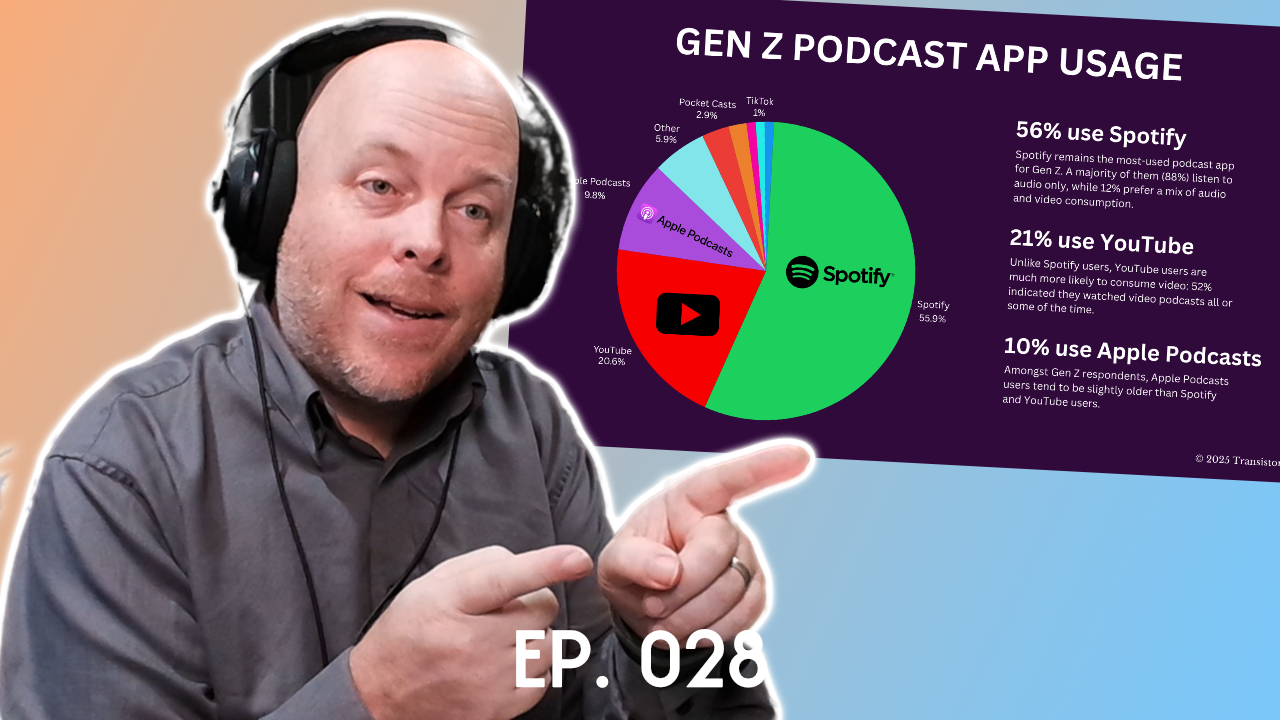 Hey creators! Just dropped some thoughts on podcast stats and honestly, the numbers are wild. The Big Takeaway: 55.9% of Gen Z listens to podcasts via Spotify. That's MASSIVE when everyone keeps saying podcasts are dying because of TikTok and YouTube Shorts. Spoiler alert: they're not. Platform Breakdown: • Spotify: 55.9% (Gen Z powerhouse) • YouTube: 20.6% (climbing fast) • Apple Podcasts: Under 10% • Everything else: Small slices What's interesting: The 12-34 age group is glued to Spotify, while 35-54 splits between Spotify and YouTube Music. Makes you wonder what'll happen when Gen Z ages out of that bracket. The Spotify Dilemma: Yeah, they're kind of gentrifying podcasting with all these exclusives (Joe Rogan, Call Her Daddy, etc.). You can't get these shows anywhere else, which is both genius business and kinda frustrating for creators who want broader distribution. Video Podcasting Rise: More people are watching podcasts on TV now. Wild, right? YouTube's pushing hard into this space, and honestly, having video gives you access to 5 billion potential eyeballs. Hot Take: You don't NEED video to succeed, but it helps. Good audio is still king. Most people listen passively anyway (driving, doing chores, background noise). Bottom Line: Whether you're Team Audio or Team Video, just get your content out there. Gen Z is hungry for quality content across all these platforms. Any Gen Z folks here? Drop your podcast listening habits below! What platform do you use most? Are you team passive listening or active watching?
 -
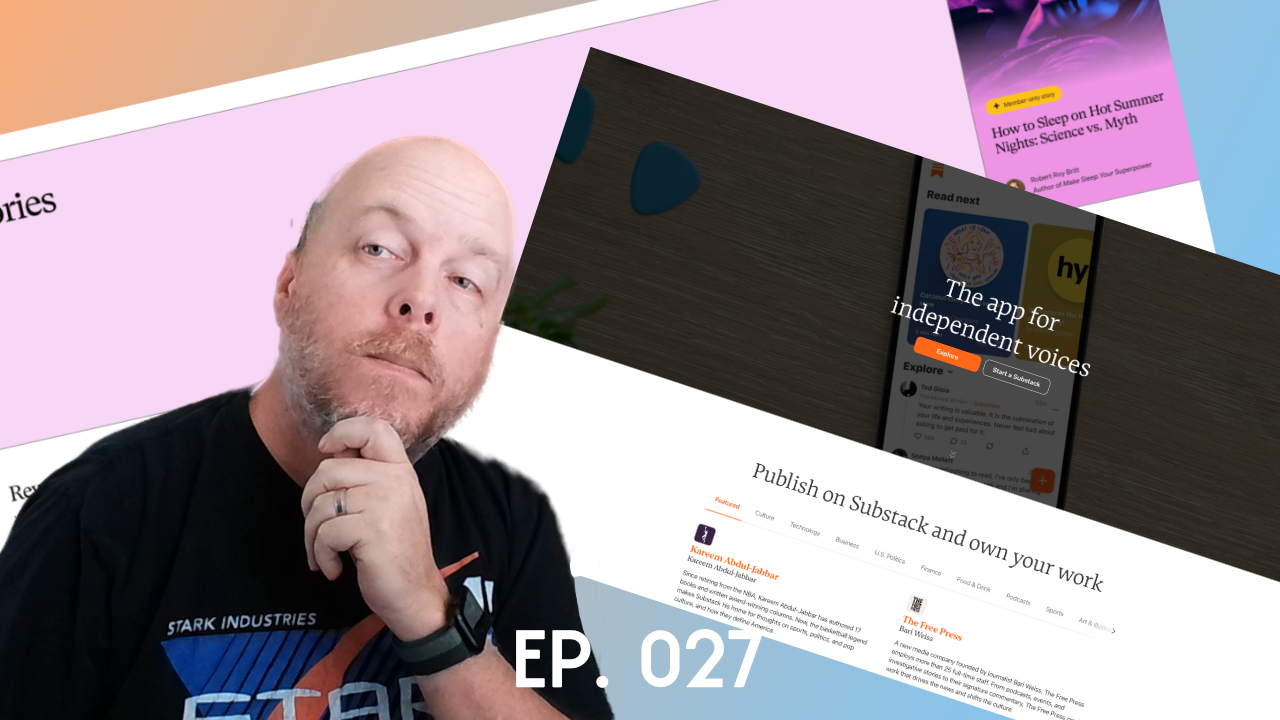 Hey creators! Quick reality check: what happens when the algorithm changes overnight and your content just disappears? Most of us post on Facebook, Instagram, Twitter thinking our content lives there forever. Wrong. You're posting to rented space that you have ZERO control over. It's at the whims of corporations that don't care about you or your content. The Apartment Problem Take Substack for example. Your URL is substack.com/yourname, not yourname.com. When people think of your content, they think "oh that blog on Substack" not "that person's website." You're living in an apartment, not your own house. And just like apartments, you can get evicted when management decides to change things up. Why This Matters Remember when people had AOL email addresses? Now when you see someone with an @aol.com email on their business card, what do you think? Same thing applies to your content. If you're serious about building a brand, people associating you with a platform instead of YOUR domain is a problem. The Professional Factor I recently saw someone from a multimillion dollar firm using a @gmail.com email professionally. That screams unprofessional in corporate settings. Your email should be yourname@yourdomain.com, not yourname@gmail.com. The Solution Buy your domain, Create your website, Post content there FIRST, Share links to YOUR site on social platforms, Yes, platforms like Substack give you distribution and it's "free." But you're trading ownership for convenience. If you're just starting out and don't know technical stuff, platforms are fine temporarily. But if you want to build a real brand, you need your own digital real estate. Video Exception Video hosting is crazy expensive, so YouTube/PeerTube makes sense for that content type. Bottom Line Your digital space is all you really have as a creator. Take care of it. Own it. Build on a foundation YOU control instead of being at the mercy of platform changes and corporate decisions. What's your take? Are you team "own your space" or team "platforms are fine"?
 -
 Hey everyone! Just wanted to share my recent journey completely rebuilding my content creation workflow and file organization. Maybe this will help some of you who are struggling with the same mess I was in. The Breaking Point I spent years with a chaotic system of hard drives, random folder structures, and broken links everywhere. I finally hit the wall and decided to burn it all down and start fresh (well, moved everything to archives, but you get the idea). What I Tried: The PARA Method Started looking into Tiago Forte's PARA method (Projects, Areas, Resources, Archives). Great concept, but I got lost in the weeds overthinking it. Do videos go in Projects if they have end dates? What about ongoing series? If I move completed projects to Archives, all my task links break. My Solution Kept the PARA structure but made it work for content creation: • Projects: Everything stays here, no moving to archives • Naming Convention: Prefix + Year/Month/Date + Title F2H = First Two Hours series ICH = Independent Creator Hub, etc., , Project Folder Template Each project gets these subfolders: A-Roll (talking head footage), B-Roll (gameplay/supplementary), Audio Assets, Image Assets (promos, banners), Thumbnail Assets (screenshots, elements), Video Assets (raw files), Thumbnail Final, Final Render, Documents (transcripts, subtitles), Task Management Integration Using Notion to track everything. Each task has a direct link to its project folder on my NAS. No more hunting through folders or broken links when projects move around. Future-Proofing Spent hours renaming all my assets with consistent naming: "icon-Discord-Blurple" instead of random filenames, "logo-TwoTonWaffle-v02" with version numbers, Easy searching: just type "logo" and get everything, Smart Organization Using macOS smart folders and planning to try Hazel or Raycast for even better searching. Instead of clicking through folder hierarchies, just search by prefix or date. The Reality Check I've been creating content for 10+ years and I spend more time tweaking organization systems than actually creating. Had to stop the perfectionism and just pick something that works. You're not alone if your digital life is a mess. I probably had one of the worst systems out there, but this rebuild is actually working. What organization systems do you use? Any tools or workflows that have been game-changers for you?
